Grok Imagine Image V2 review: this new xAI image model was tested with five fashion prompts that move from a clean workday outfit to a difficult action scene. It produces appealing images fast, gives clothes a convincing sense of material, and usually understands the styling brief. The hard test also reveals where a fashion image still needs a careful human eye.
How this Grok Imagine Image V2 review was tested
The test used the Grok Imagine Image V2 model on Wiro with one portrait output per prompt at 1K and low quality. That setting suits an early outfit-planning pass: quick enough to explore a direction before asking for a higher-resolution final. Prompts named garments, colour, setting, lighting and a few details that commonly go wrong, such as footwear, bags, movement and full-body framing.
This is not virtual try-on. No person or garment reference photo was supplied. The point was to see whether the model can turn a written outfit idea into a useful visual starting point for a shopper, stylist or content planner.
Five real style tests
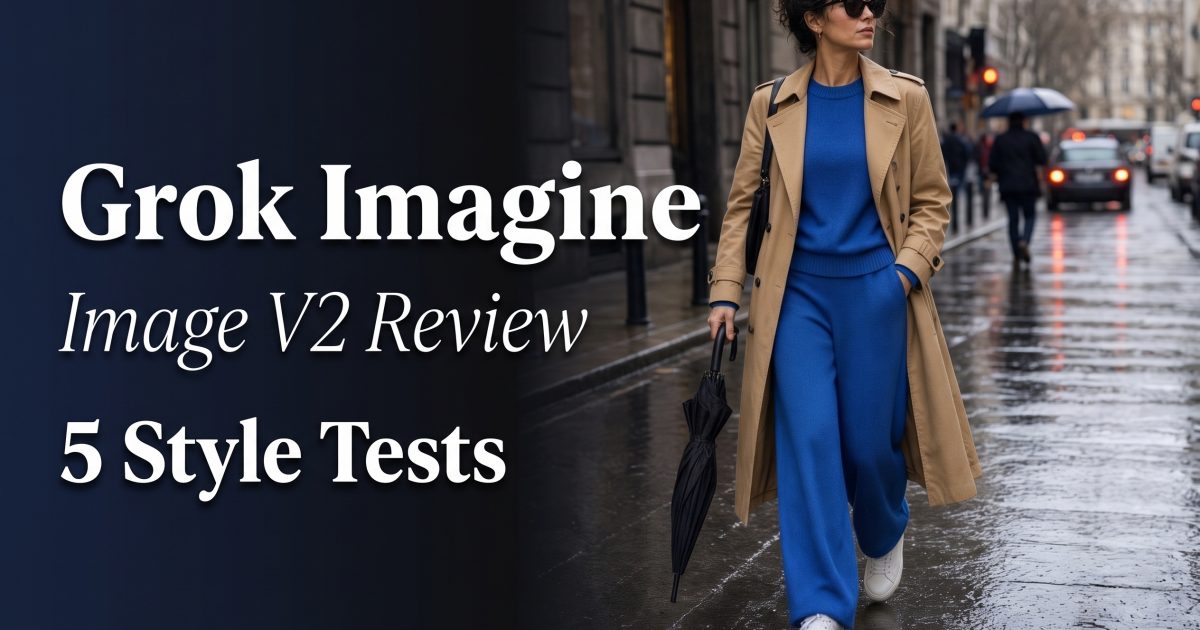
1. Rainy-day workwear
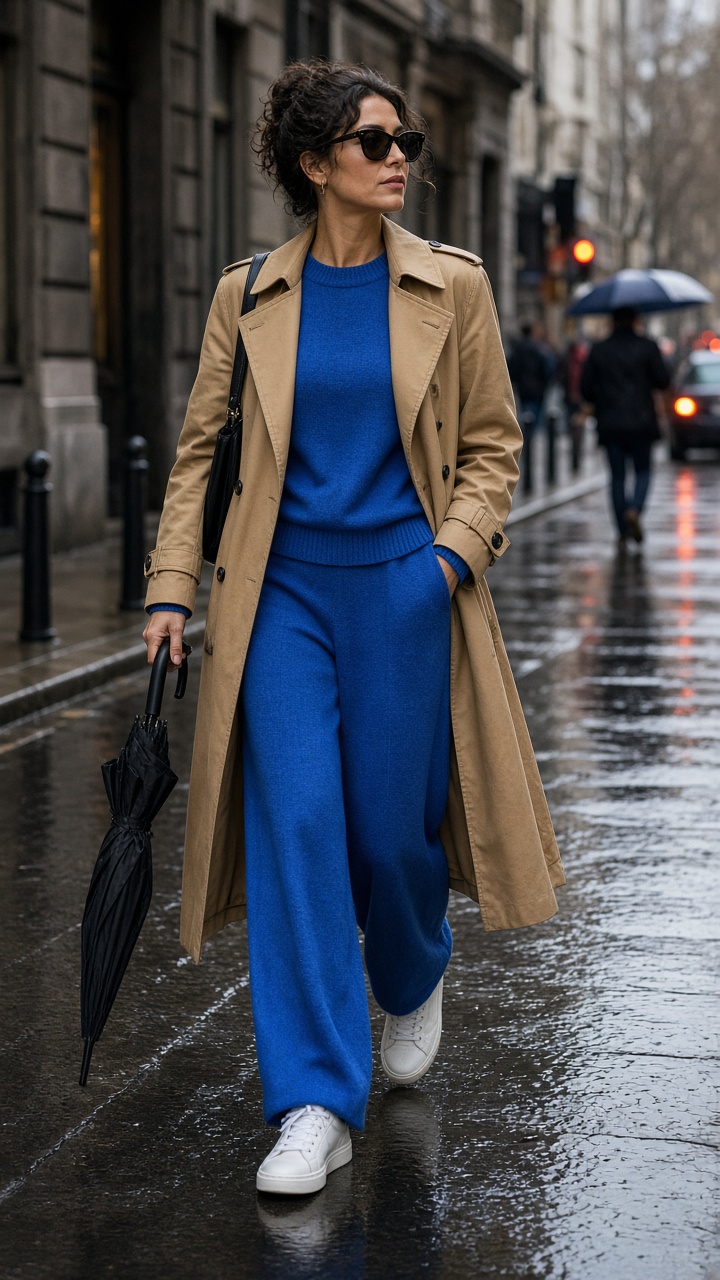
The model handled the main colour contrast well. Camel and cobalt read clearly, while the wet pavement gives the outfit a believable reason for the trench. This is the kind of look that helps someone decide whether a strong knit colour can sit under a neutral outer layer. Small accessory details remain less dependable, so a purchase decision should never rely on an invented bag or shoe close-up.
2. Gallery-opening evening look
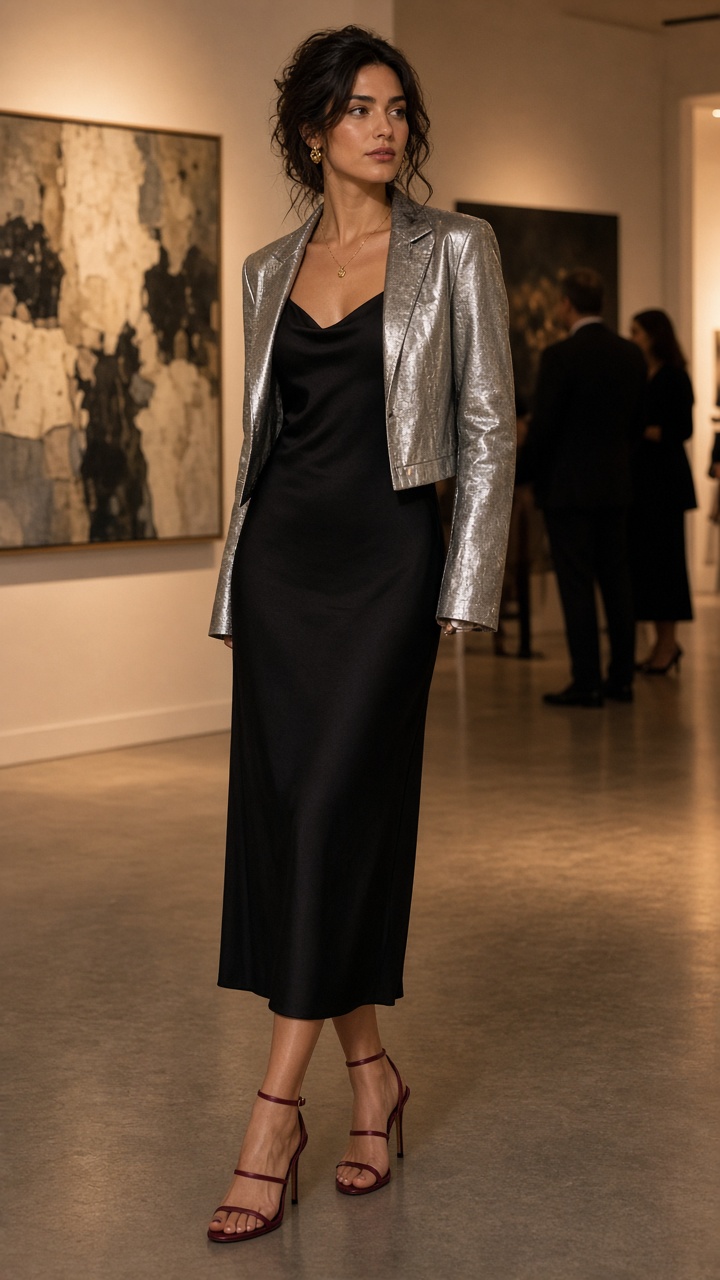
This was a good test of layering. A slip dress and cropped jacket can easily merge into one vague silhouette. Here, the outfit reads as separate pieces and the burgundy shoe note gives the styling a clear finish. The result feels more editorial than candid, which is useful for inspiration but less useful for judging real garment fit.
3. Weekend wardrobe flat lay
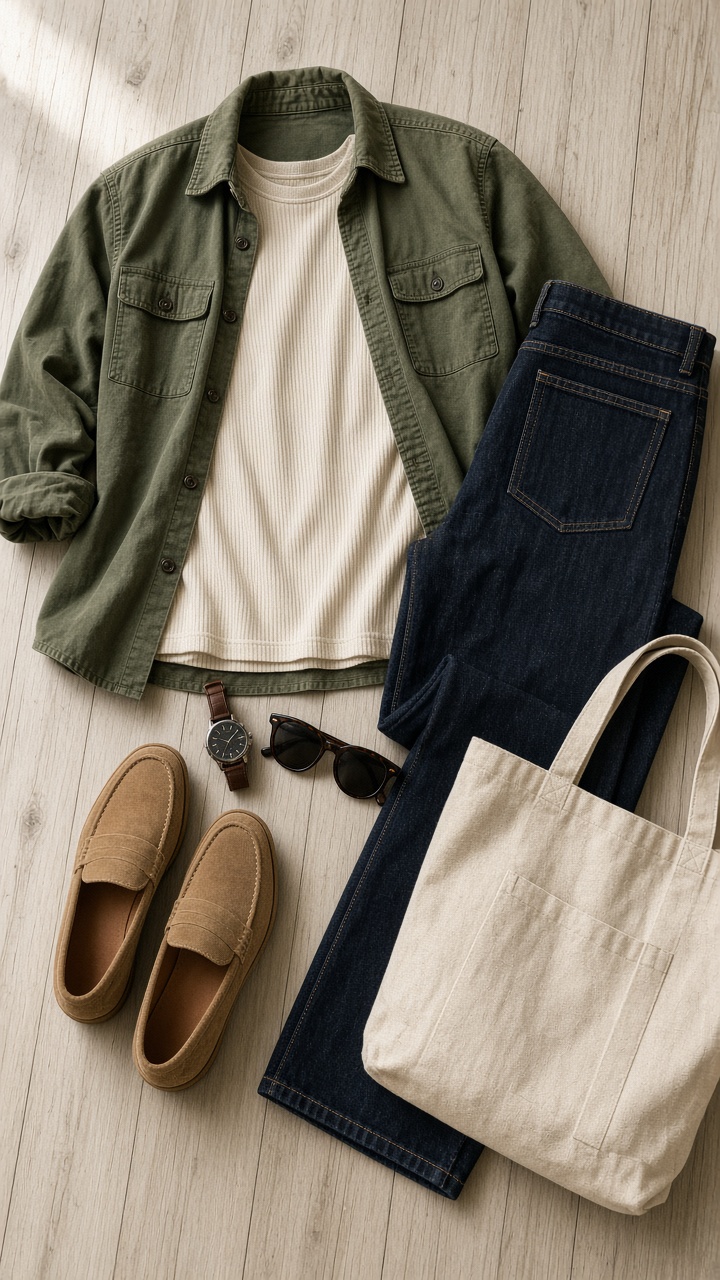
Flat lays are a sensible use case for an AI outfit generator because they do not depend on hands, faces or body proportions. The model made a coherent palette and a usable casual formula. Fabric texture matters here, and the ribbing, suede and denim cues mostly come through. Expect occasional invented seams or hardware when looking closely.
4. Winter commute
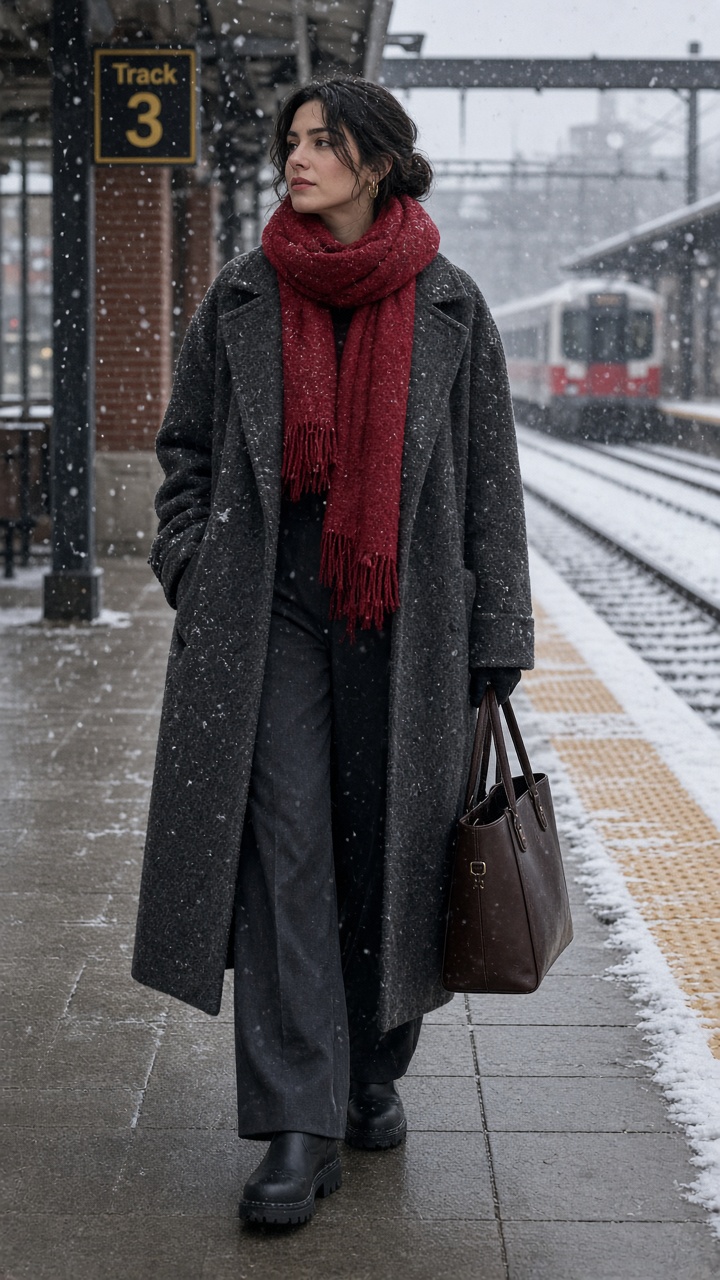
The winter prompt checks whether several practical pieces still read as an outfit. The charcoal coat and red scarf provide a simple focal point. It is a strong idea board image for a work wardrobe. Yet the exact layering around cuffs, hems and bag straps deserves inspection before using the image in a product story.
5. The hard test: motion, wind and a cape
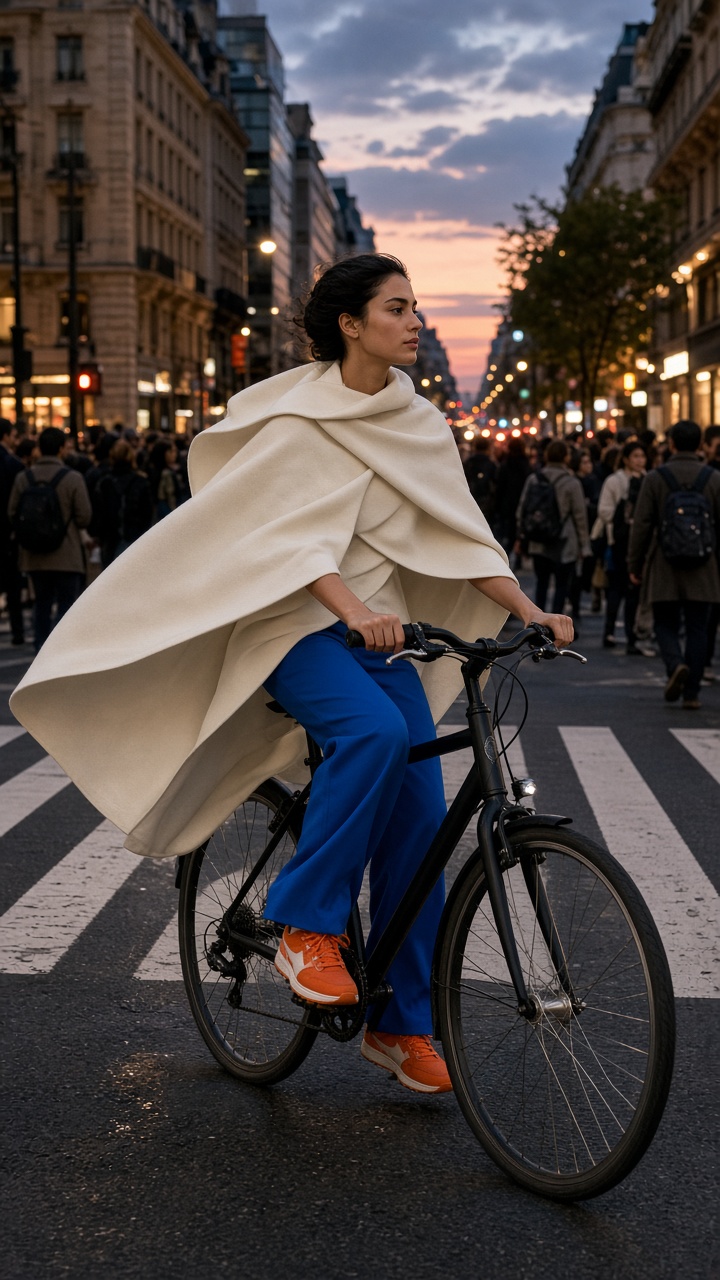
This is where the model has to juggle a bicycle, crowd, moving fabric, hands and several bright colours. The image has energy, but this category is also where small structural slips can appear. Complex motion remains the weak spot. Use it for an art direction moodboard, then simplify the prompt or edit the best variation before treating it as finished campaign creative.
What worked and what did not
| Strength | What it means for fashion work |
|---|---|
| Clear colour and styling direction | Useful for testing outfit combinations before shopping. |
| Convincing atmosphere | Settings such as rain, warm interiors and snow help an outfit tell a story. |
| Flexible portrait framing | Works well for saved outfit ideas and vertical social concepts. |
| Complex movement can drift | Check hands, bicycles, hems and small accessories at full size. |
| Generated garments are not products | Use the images for ideas, not proof of exact fit, stock or construction. |
Grok Imagine Image V2 works best when the prompt names a few decisive style choices. Start with occasion, silhouette, two or three key pieces, colour and light. Do not pack every possible accessory into the first request. A second pass can add the watch, bag or jewellery after the main outfit feels right.
Verdict: a smart image tool for outfit ideas
For fashion inspiration, Grok Imagine Image V2 is a useful new option. It made five distinct looks without losing the central outfit concept, and the flat lay and polished occasion looks were the most dependable. It struggles more when anatomy, motion and dramatic fabric movement meet in one frame. That is a fair trade for early-stage ideation, provided the output gets a close review.
Use it to compare a colour pairing, build a travel capsule moodboard, or picture a dress code before opening a shopping tab. For seeing real clothes on a real person, try the looks yourself in the FashionKit app for iPhone or FashionKit on Google Play.